This page features the Seasonal Respiratory Surveillance Dashboard for the 2025–2026 season for the Grand Erie Public Health (GEPH) region.
This dashboard consolidates timely local data on respiratory viruses including COVID-19, influenza, and other circulating pathogens. Users can examine key indicators such as percent positivity, hospital bed occupancy, and new outbreaks by virus type.
For more detailed outbreak information, please visit our dedicated Outbreak Status Dashboard. The 2025–2026 surveillance period began September 3, 2025. Updates are published every Wednesday by 2 p.m., with data current through the previous Saturday. All data is preliminary and subject to change. To learn more about the respiratory surveillance methodology, please refer to the Technical Notes document.
As of May 13, 2026, the dashboard is currently on pause and will resume in fall 2026.
Overall Activity Interpretation
During the Respiratory Season (November to April), Grand Erie Public Health recommends using multiple layers of protection against respiratory viruses:
- Stay up to date on vaccinations such as COVID‑19 and influenza.
- Avoid visiting high‑risk settings like hospitals and long‑term care (LTC) homes if you are sick.
- Wash hands often, cough into your elbow, and clean high‑touch surfaces regularly.
- Stay home if you are ill. If you must go out, consider wearing a well‑fitted mask.
- If you are at increased risk of severe outcomes, speak with a health care provider about testing and antivirals.
Consider the activity and location you are in when making decisions about personal risk. Consider the following questions:
- Am I at increased risk of severe outcomes if I get COVID‑19, influenza, or RSV?
- Are the people I am with at increased risk?
- Is there good ventilation, or can we improve ventilation by opening a door or window?
- Would it be safer to meet outdoors or virtually, or with a smaller group?
- Are we up to date on influenza and COVID‑19 vaccines?
 | Strongly recommended to increase public health precautions. Wear a mask when interacting with people outside your household, gather only when necessary and in safer conditions such as outdoors or well‑ventilated spaces, and avoid high‑risk settings such as hospitals, LTC homes, and retirement homes when possible. |
 | Take additional precautions. Consider wearing a mask when interacting with people outside your household, avoid large indoor gatherings or crowded places, and avoid high‑risk settings. |
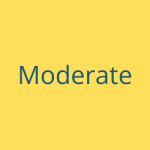 | Be more cautious. Wear a mask in crowded places, gather in smaller groups or outdoors, and limit time in high‑risk settings. |
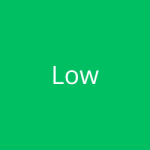 | Make decisions based on your risk and the risks of those around you. |
For more information: Respiratory infectious diseases: Personal protective measures — Government of Canada